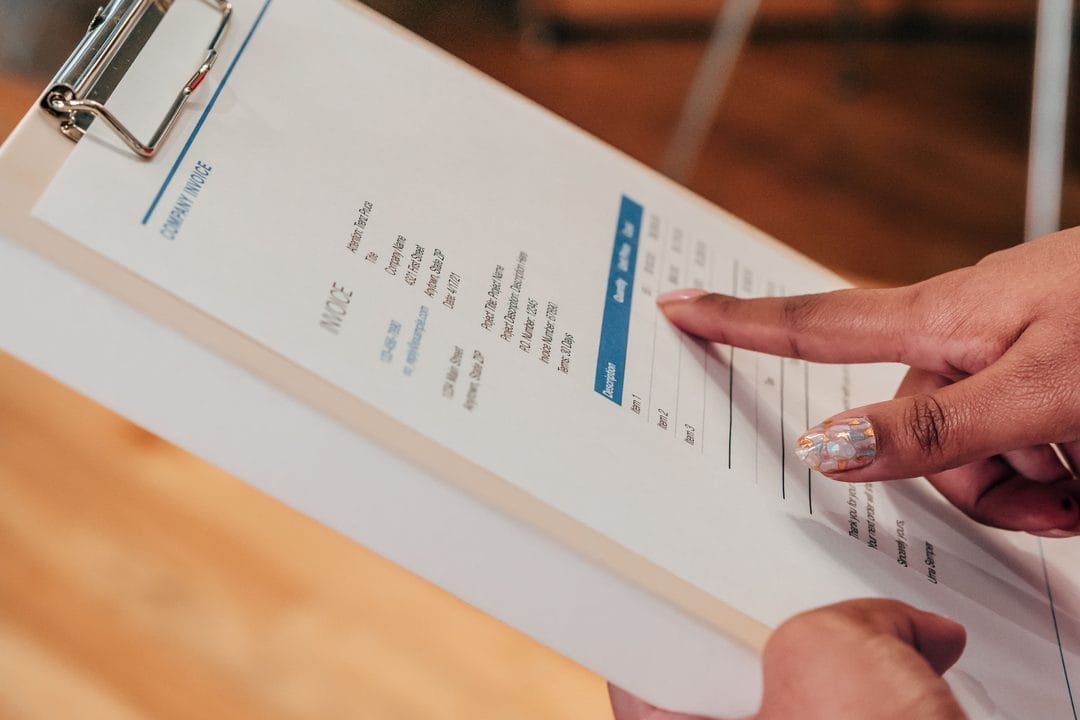
Renata quoted the same brand identity package for the fourth time in three weeks — logo, style guide, three social templates — and typed out nearly the same six-paragraph email each time, swapping in a new client's business name and adjusting the timeline by a week or two. The scope barely moved. The price barely moved. What did move was ninety minutes of her Tuesday, gone to writing a proposal she'd essentially already written in October, then again in November, then again the week after that. She didn't notice the pattern until she pulled her invoices into a spreadsheet and saw eleven nearly identical line items going back four months. Eleven proposals. Eleven discovery calls. Eleven versions of an email she could have sent in ninety seconds if it had existed as a page instead of a habit.
That's the moment most service founders miss, because it doesn't look like a problem — it looks like being busy, which feels like winning. But repeatedly reselling the same scope from scratch is expensive in a way that doesn't show up on an invoice. It shows up in the hours between invoices.
The Tell That You Have a Product Hiding Inside Your Custom Work
If you can predict, before the discovery call even starts, roughly what a client is going to ask for — that's not a coincidence. That's a pattern loud enough to build a business around. Farah, a bookkeeper in Austin who runs monthly close for online sellers, noticed she'd quoted the exact same three-tier setup (Shopify sync, monthly reconciliation, quarterly tax prep) to eleven clients in a row before she finally wrote it down as a fixed offer instead of re-deriving it every time someone filled out her contact form.
The test is simple: look at your last ten client engagements. If seven or more of them share the same deliverables, the same rough timeline, and the same client questions at kickoff, you're not running a bespoke practice — you're running a product with a discovery call bolted onto the front of it, out of habit rather than necessity.
What "Productized" Actually Means
It doesn't mean template. It means fixed edges — a scope with a hard stop on both sides, sold at a stated price, with no custom quote required to buy it. Renata's productized version became: brand identity, three concepts, two rounds of revisions, delivered in twelve business days, $2,400 flat. Not "starting at $2,400." Flat. A client who wants a fourth logo concept or unlimited revisions isn't buying this package — they're buying the custom engagement, which still exists, priced separately and higher, because that's genuinely more work.
Here's the part that trips people up.
Productizing works beautifully for the 70% of your business that's repeatable expertise. It falls apart the moment a client's actual problem is genuinely unusual, and you will waste more hours forcing an odd case into a fixed box than you'd have spent just quoting it from scratch. Keep both lanes open. The fixed package handles the predictable majority; a short custom-quote path stays available for the client whose ask doesn't fit — a nonprofit needing a bilingual brand system, a seller with three sales channels instead of one. Pretending every client fits the box is how a good idea turns into a support ticket.
Pricing the Package Without Racing to the Bottom
Price the outcome, not the hours, and price it high enough that saying yes to the package is still profitable even on the client who emails you four times during week one. Farah set her bookkeeping package at $650 a month rather than backing into an hourly rate, because $650 covers her actual time even in a messy month — the client who reconciles cleanly and the client who sends a shoebox of receipts in March both pay the same $650, and the math still works because she built in the shoebox client from the start.
Two things to commit to, not hedge on. Cap the revisions at a stated number, full stop — two rounds, not "a reasonable amount." And publish the price. A client who has to ask "how much is this?" has already left the page in three other tabs; a stated number in front of them converts better than a "book a call to discuss" button ever will, because it removes the one piece of friction that costs you the most time to resolve one email at a time.
The Client Objection Nobody Warns You About
The pushback won't come from price. It'll come from existing clients who feel like they're suddenly getting less than they used to, even when the new package objectively offers more clarity than the old undefined-scope arrangement did. When Renata rolled hers out, one long-standing client asked why she "used to include unlimited revisions" — she never had, but the absence of a stated cap had let both of them quietly assume otherwise for two years.
Handle this before it happens, not after. Grandfather your current roster into their existing terms for the length of their current engagement, and introduce the package only for new inquiries and renewals. That single decision costs you nothing and removes almost all of the friction, because nobody feels like something was taken away — they just watch new clients get a cleaner version of what they already have.
Rolling It Out Without Torching What Already Works
Don't announce it with a launch email to your whole list. Test it on the next three inbound inquiries first, quietly, before you touch anything client-facing that already exists. If those three conversations close faster — and they usually do, because a stated price and scope removes the back-and-forth that used to eat a week — then:
- Replace your discovery-call booking link with a page that shows the package, the price, and a "buy" or "book" button — most scheduling tools (Calendly, Dubsado, HoneyBook) let you attach a payment step directly to the booking
- Keep one custom-quote option visible but secondary, for the genuine edge cases
- Set the package live for thirty days before touching pricing again — enough time to see whether the objections are noise or a real signal, and not so long that a bad price sits there quietly costing you money
Farah's version took six weeks from spreadsheet realization to a live package page, most of that spent second-guessing the flat $650 number rather than building anything. She raised it to $750 after the first ten sign-ups, once it was clear demand didn't move at the lower price — proof, in her case, that she'd started too cautious rather than too bold.
The proposal Renata used to write from scratch eleven times now exists as one page she updates twice a year. She still takes on the occasional custom brand system for a client who genuinely needs one — priced at $4,800, quoted the old way, because that work still deserves the old process. What changed isn't that she stopped doing custom work. It's that custom work became the exception she chooses, instead of the default she never questioned.